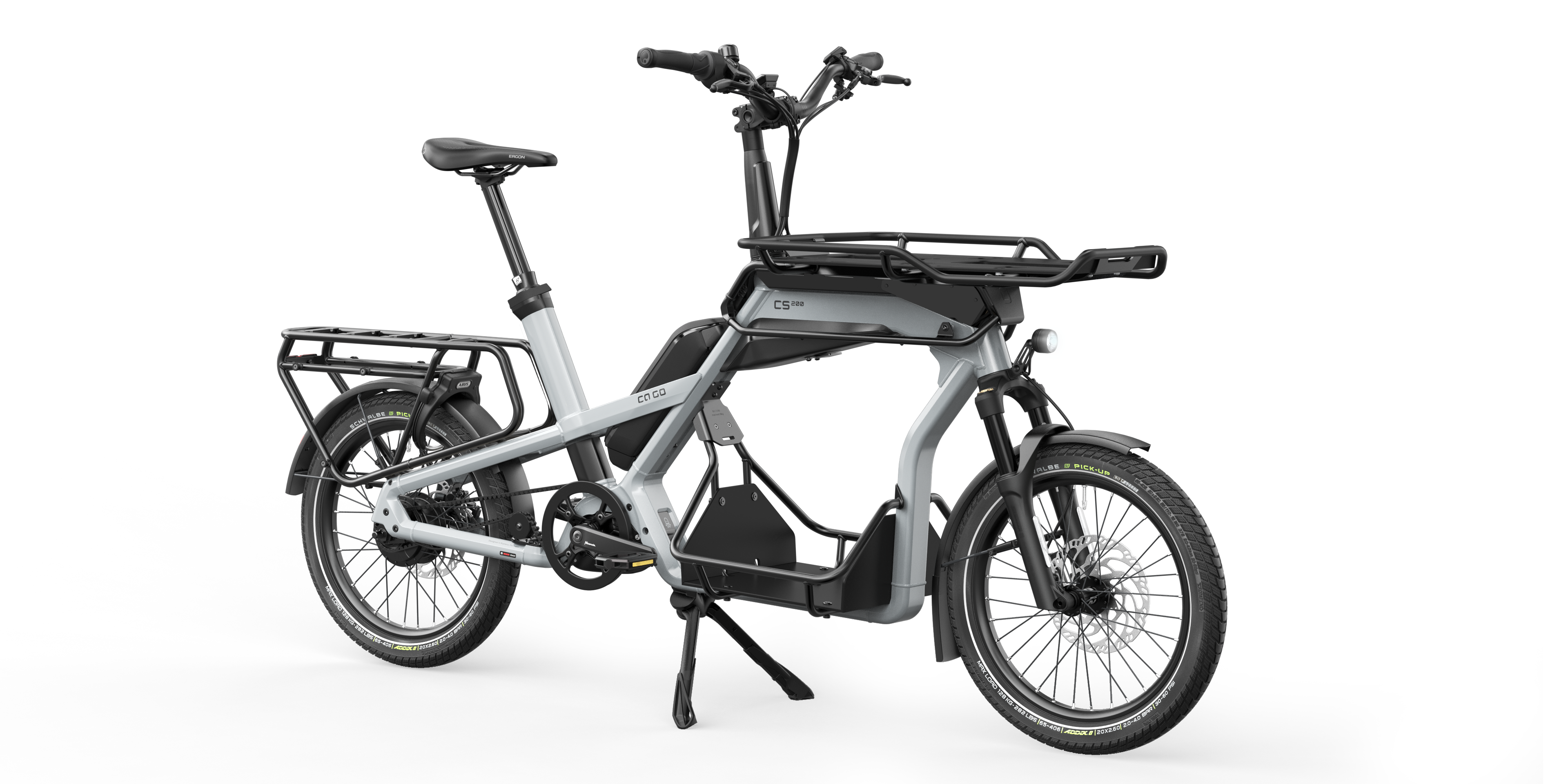
Short in Front, Long at the Back: The Longtail Cargo Bike
Short in Front, Long at the Back: The Longtail Cargo Bike

Among the various forms the cargo bike market has produced to date, alongside the long john cargo bike, the longtail variant has established itself – at least when looking at single-track models. This type of bike, designed for carrying people and/or bulky and heavy items, is characterised by a significantly extended rear rack, which is usually part of the frame rather than a bolt-on component, giving not only the loading area but the entire bike considerably more stability. In some cases this rack extends up to twice as far beyond the rear wheel as a standard rack, though most models in the longtail category instead feature extended chainstays – in other words, a longer rear end overall, which improves weight distribution.
What are the main differences from other cargo bikes?
Through its combination of a classic bicycle at the front with an elongated, extra-sturdy rear rack at the back, an unloaded longtail cargo bike rides very similarly to a conventional bicycle, whereas a cargo bike with the steering set far in front of the rider, or with a loading area perched above the front wheel, requires considerably more getting used to. Particularly on tight corners, typical of everyday city riding, longtails and similar designs generally have the edge, especially compared to the long john cargo bike – they are more manoeuvrable, and could even be steered with a trailer attached, something that's only possible with a long john given a great deal of space.

Ride comfort suffers when loaded
With a payload and children on board, the handling characteristics and advantages shift, particularly when it comes to versatility: to carry children safely on a longtail's rear rack, it should be fitted with a railing to act as a handhold and safety bar. This, however, further narrows the loading area, which is already smaller than on cargo bikes with a voluminous front box, due to the structural constraint of the rear wheel. In addition, a longtail's loading concept automatically raises the centre of gravity, which costs it some ride dynamics. If child seats are fitted instead of a flat platform and railing on the extra-long rear rack, this all but eliminates it as a loading area. So it very much depends on the individual user's needs. The long diamond cargo bike is a sensible middle ground. With its three loading zones, it offers space for heavy and bulky goods as well as a child seat at the same time. As standard, however, only one child seat fits on the rear of this type of cargo bike.
How does a longtail differ in terms of specification?
In general, almost every cargo bike is bought as an electric bike, since the fairly high unladen weight, plus payload, plus rider, is otherwise difficult to accelerate. The somewhat lower average unladen weight of longtail bikes has no noticeable effect on range for a given battery. Only when the maximum system weight is fully utilised does the drive system of the somewhat heavier long johns have to work harder, resulting in a slightly shorter range. The difference here, however, is similarly small to that in required braking power. Every cargo bike should be more than adequately equipped in this respect. The type of gearing chosen is also individually selectable for both variants; only those wishing to make the most of the longtail's somewhat sportier qualities when unloaded should stick with a chain gear. The long diamond design offers a mix of sportiness and loading options, and here both types of gearing suit the bike's character well.
What are the advantages and disadvantages of a longtail cargo bike?
| Advantages of the classic LONGTAIL | Disadvantages of the classic LONGTAIL |
| Close to familiar ride feel and steering behaviour | close to the familiar driving feel and steering response |
| Versatile even without bulky or heavy payload, or children | No weather protection for passengers/children on the rear rack |
| Direct view of the front wheel and the road | Entire load of rider and payload rests on the rear wheel |
| Loading does not affect steering lock or steering forces | Sluggish turn-in due to rear-heavy weight distribution |
| Comparatively manoeuvrable versus other cargo bike types | Reduced braking performance due to less weight on the front wheel |
| Fairly narrow both when riding and parked, even when loaded | On tight corners, the rear wheel follows a noticeably tighter radius |
| No steering redirection via cables or push-rods | No box or similar loading option possible, limited load volume |
| Generally fewer specialised parts, simpler maintenance | Loaded goods raise the centre of gravity considerably |
What other variants of longtail cargo bikes are there?
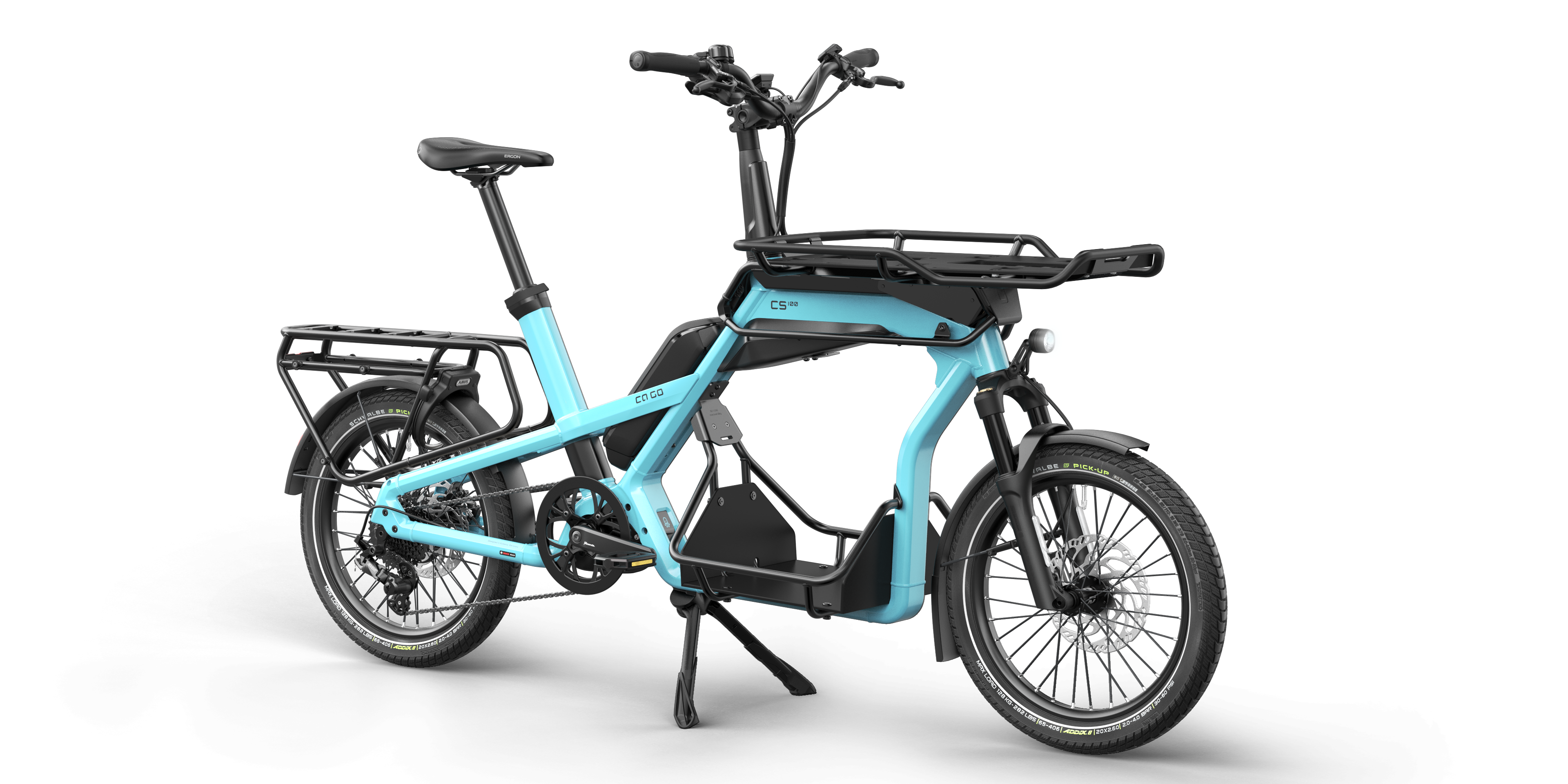
As described above, longtail cargo bikes mainly differ from one another through varying frame and rack lengths, as well as through their attachments. The user must primarily decide which needs the bike should be equipped for – either a child seat or the transport of goods. Some models also allow for a front rack, though this is considerably smaller than the rear one. Under the umbrella term "long diamond", a small number of manufacturers offer a kind of hybrid between the two dominant cargo bike types. In addition to an above-average rear rack and a rack in front of the front wheel, these bikes feature a third loading option, positioned low down between the two wheels. The Ca Go CS is arguably the most modern representative of this category.

Who is a longtail e-bike particularly well suited to?
A longtail-style cargo bike is best suited to people who want to cover very different routes and tasks by bike, and for whom transport wasn't the sole reason for buying one. This type of cargo bike differs least, in terms of ride characteristics, from a classic bicycle or pedelec. Because it is, on average, more manoeuvrable than cargo bike types with a transport box for passengers, it is also particularly well suited to busy, narrow city centres. A bike of this kind can be ridden more dynamically when unloaded, though this comes with a slight trade-off in load capacity and load volume compared to, for example, a long john. As a middle-ground variant, the long diamond cargo bike combines the manoeuvrability and sporty ride characteristics of a longtail with the variable loading options and low centre of gravity of a long john or multi-track cargo bike.
Which CS is the right one?
-
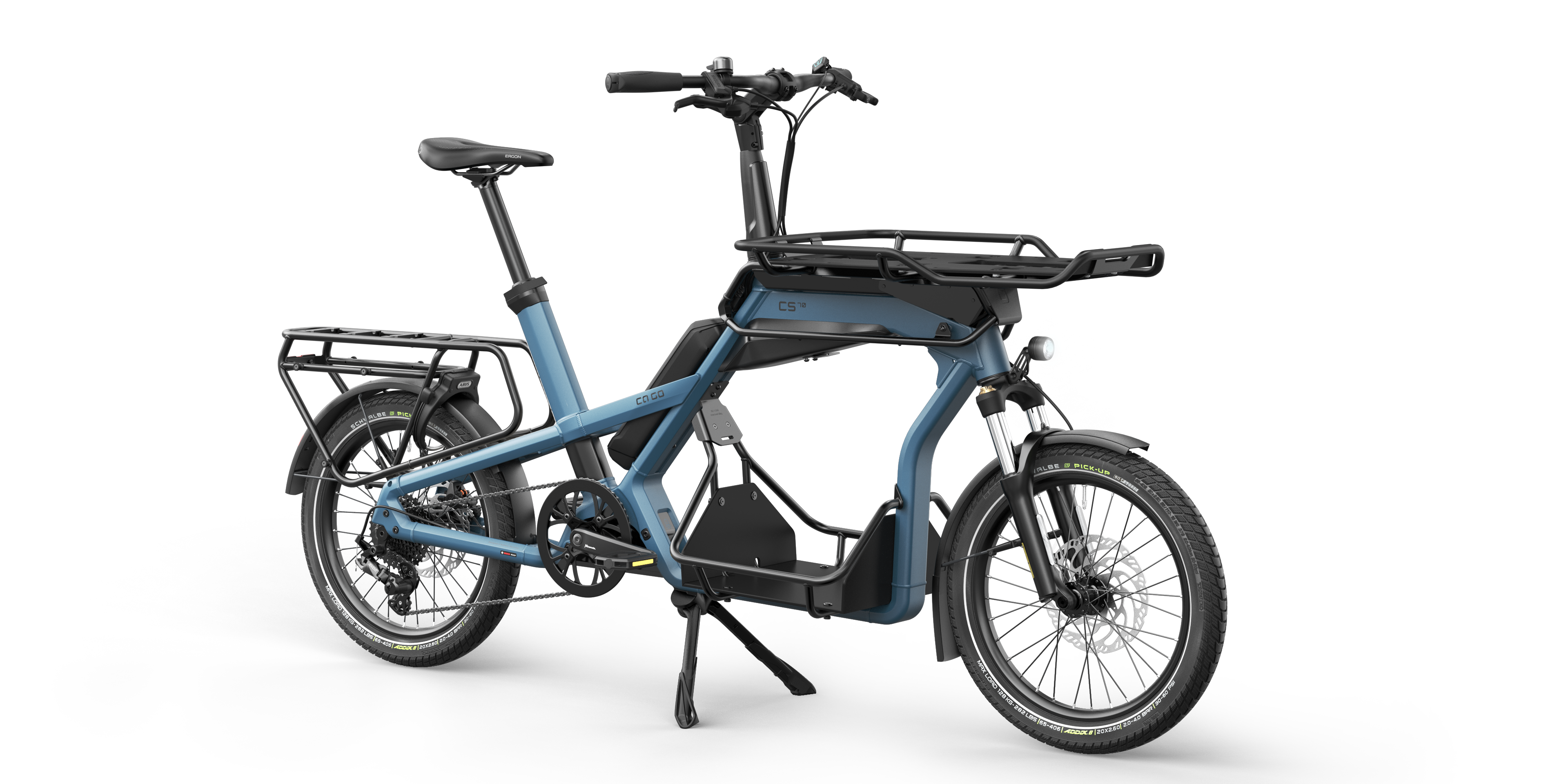
CS70 – Edition 5
Lightweight, responsive and flexible in use - for all those who know exactly what they want and need space for it.
starting at €3,990.00starting at €2,990.00 Mobility Bonus including*
*Offer valid until Dec 31, 2026
-
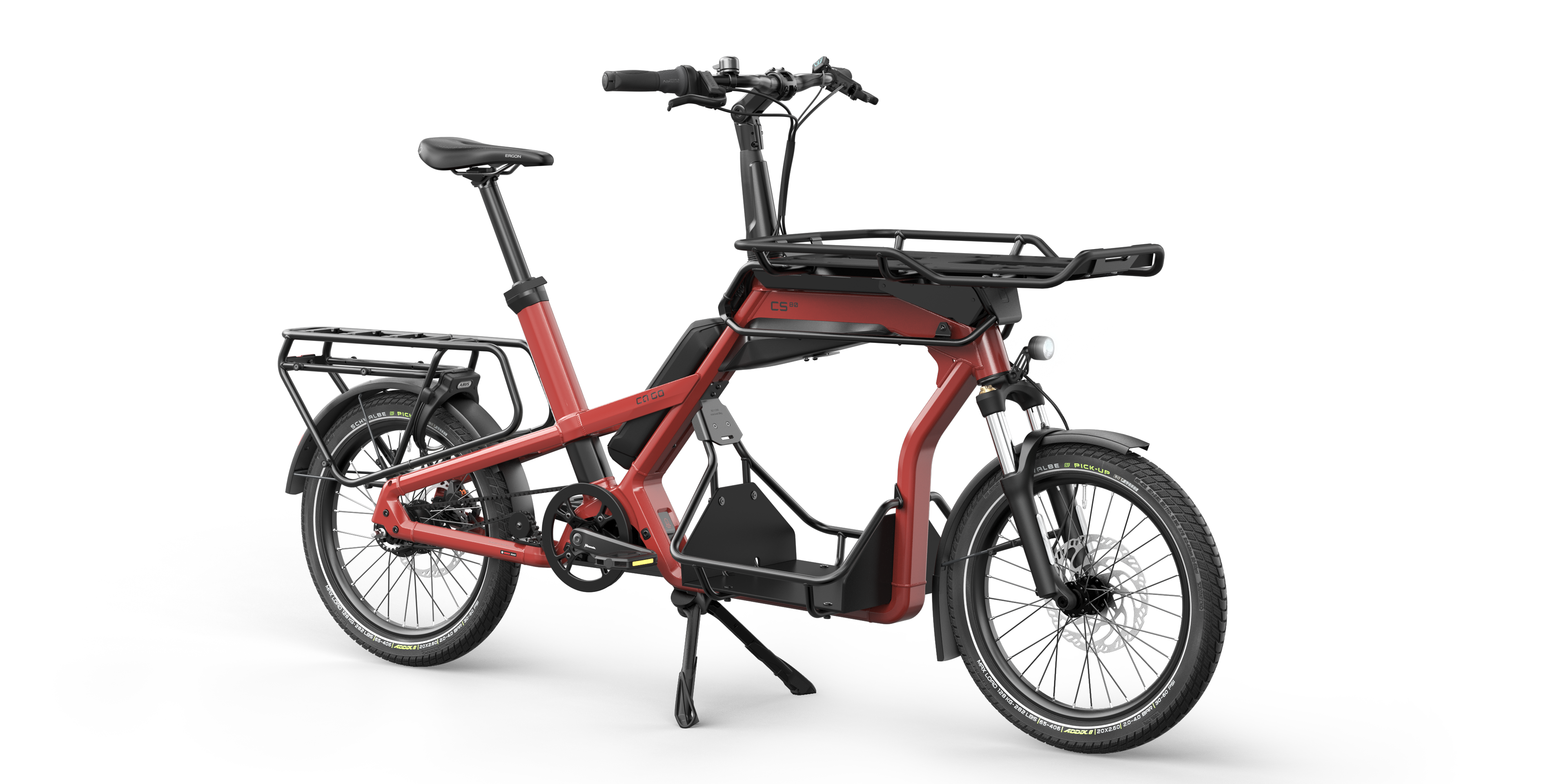
CS80 – Edition 5
Flexible, agile and comfortable in all situations - for when you have big plans, but don't want to miss out on a pleasant riding experience.
starting at €4,490.00starting at €3,490.00 Mobility Bonus including*
*Offer valid until Dec 31, 2026
-
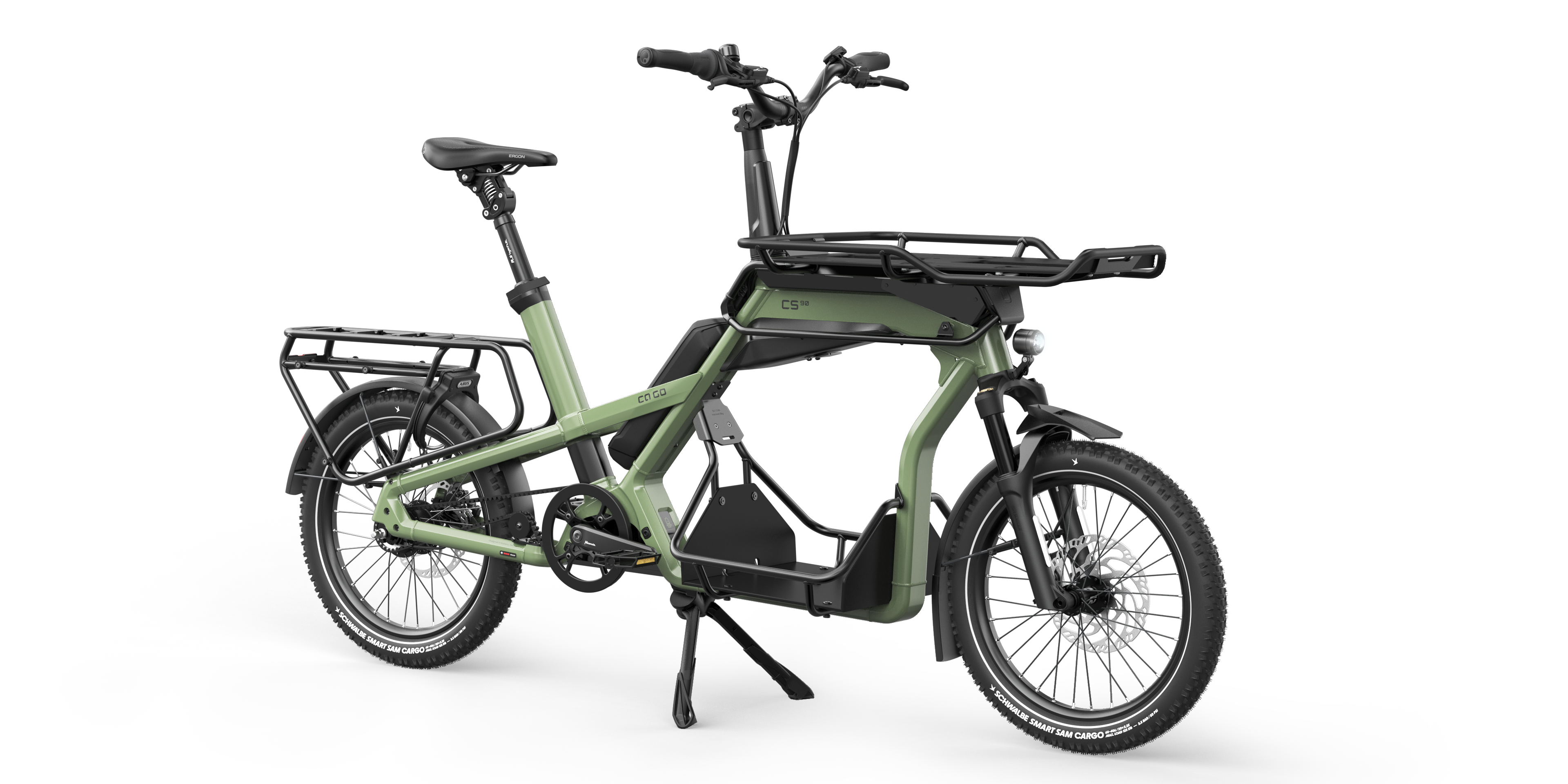
CS90 Allroad – Edition 5
Plenty of space for luggage paired with all-road tires for all surfaces - when adventures awaits off the beaten path.
starting at €4,990.00starting at €3,990.00 Mobility Bonus including*
*Offer valid until Dec 31, 2026
-
CS100 – Edition 5
Lighter and higher efficiency – for all those sporty riders.
starting at €4,490.00starting at €3,490.00 Mobility Bonus including*
*Offer valid until Dec 31, 2026
-
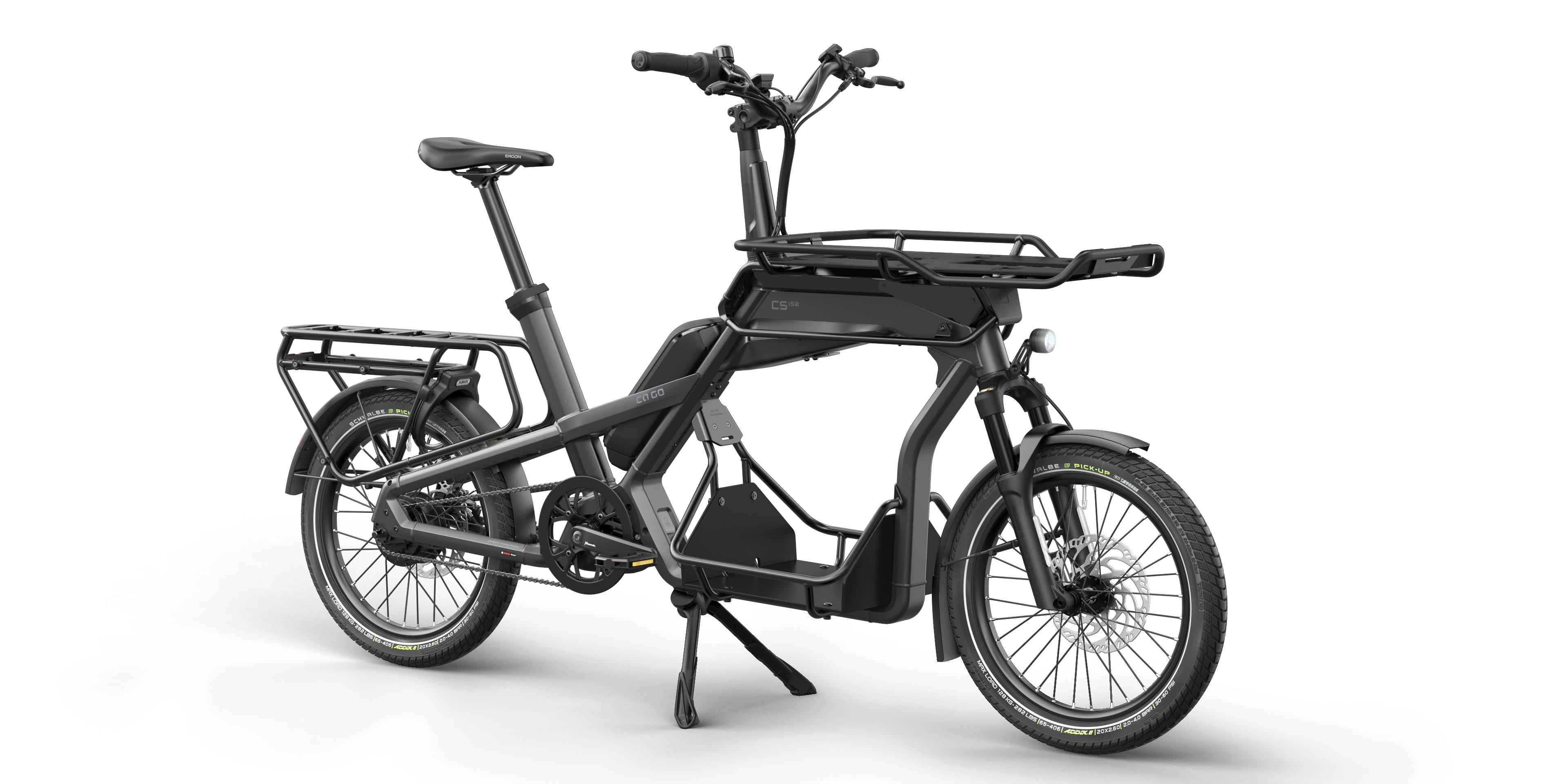
CS150 – Edition 5
Low maintenance, simple and convenient operation, stepless shifting – for all those who like to concentrate on the essentials.
starting at €4,890.00starting at €3,890.00 Mobility Bonus including*
*Offer valid until Dec 31, 2026
-
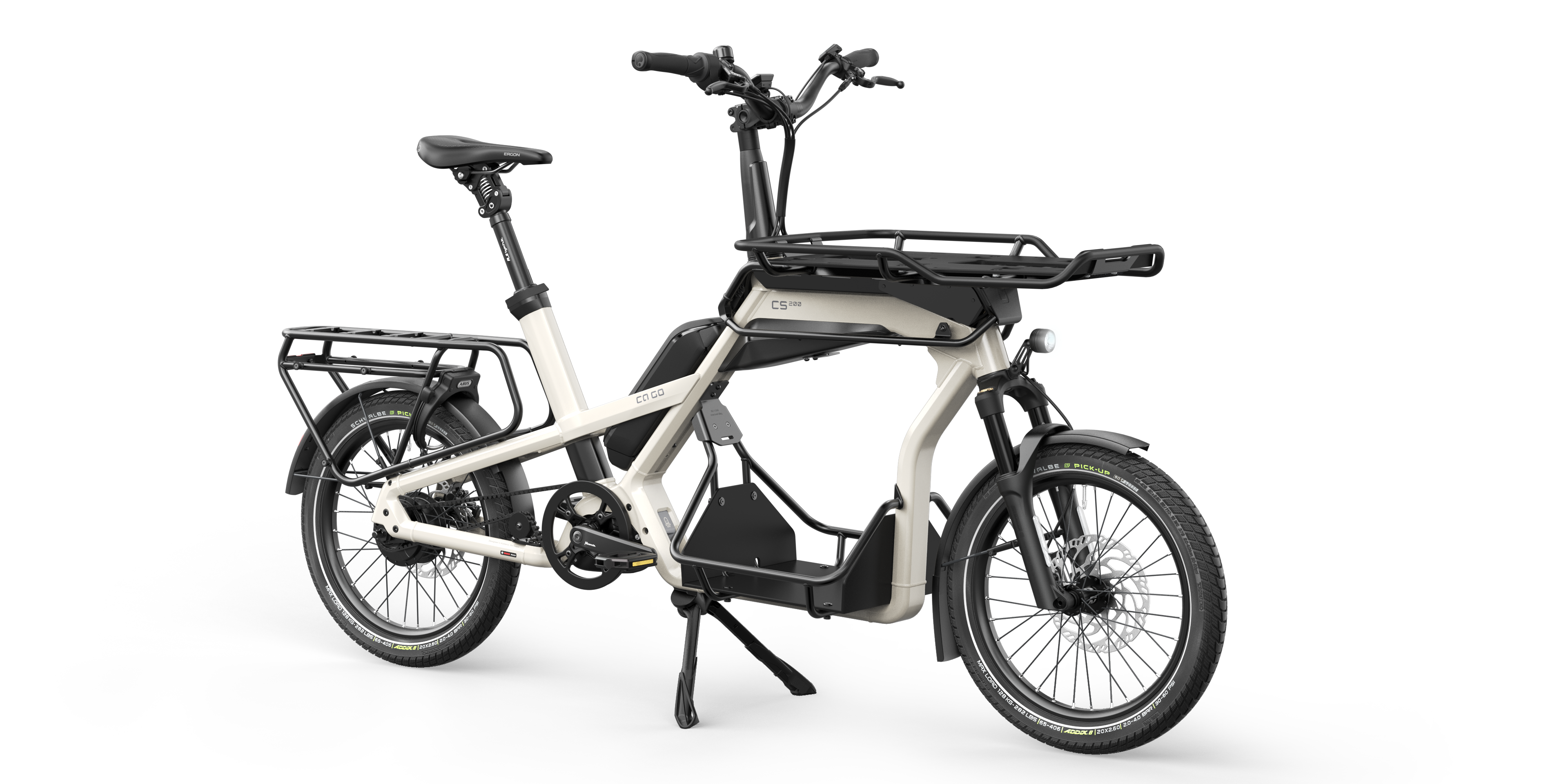
CS200 – Edition 5
Long-lasting, quiet and clean shifting – for those looking for maximum comfort.
starting at €5,690.00starting at €4,690.00 Mobility Bonus including*
*Offer valid until Dec 31, 2026
-
CS200 Exclusive – Edition 5
Maximum comfort and flexibility with extra space for your cargo - for those who won't compromise.
starting at €6,290.00starting at €5,290.00 Mobility Bonus including*
*Offer valid until Dec 31, 2026