Buy an E-Bike Online
Buy an E-Bike Online
Find your perfect e-bike online: everything about batteries, motors, sizing, and gears
Find your e-bike!
-
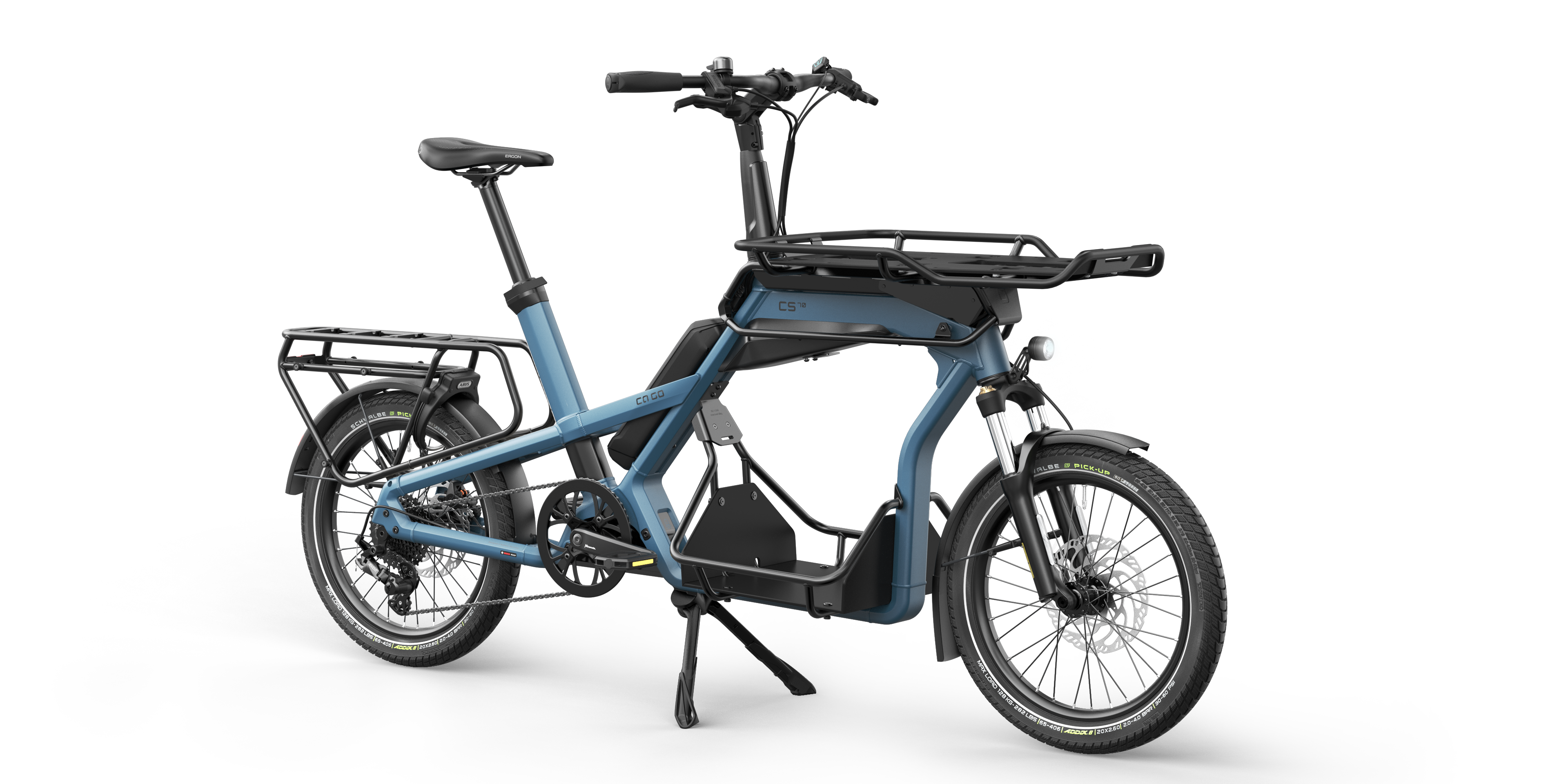
CS70 – Edition 5
Lightweight, responsive and flexible in use - for all those who know exactly what they want and need space for it.
starting at €3,990.00starting at €2,990.00 Mobility Bonus including*
*Offer valid until Dec 31, 2026
-
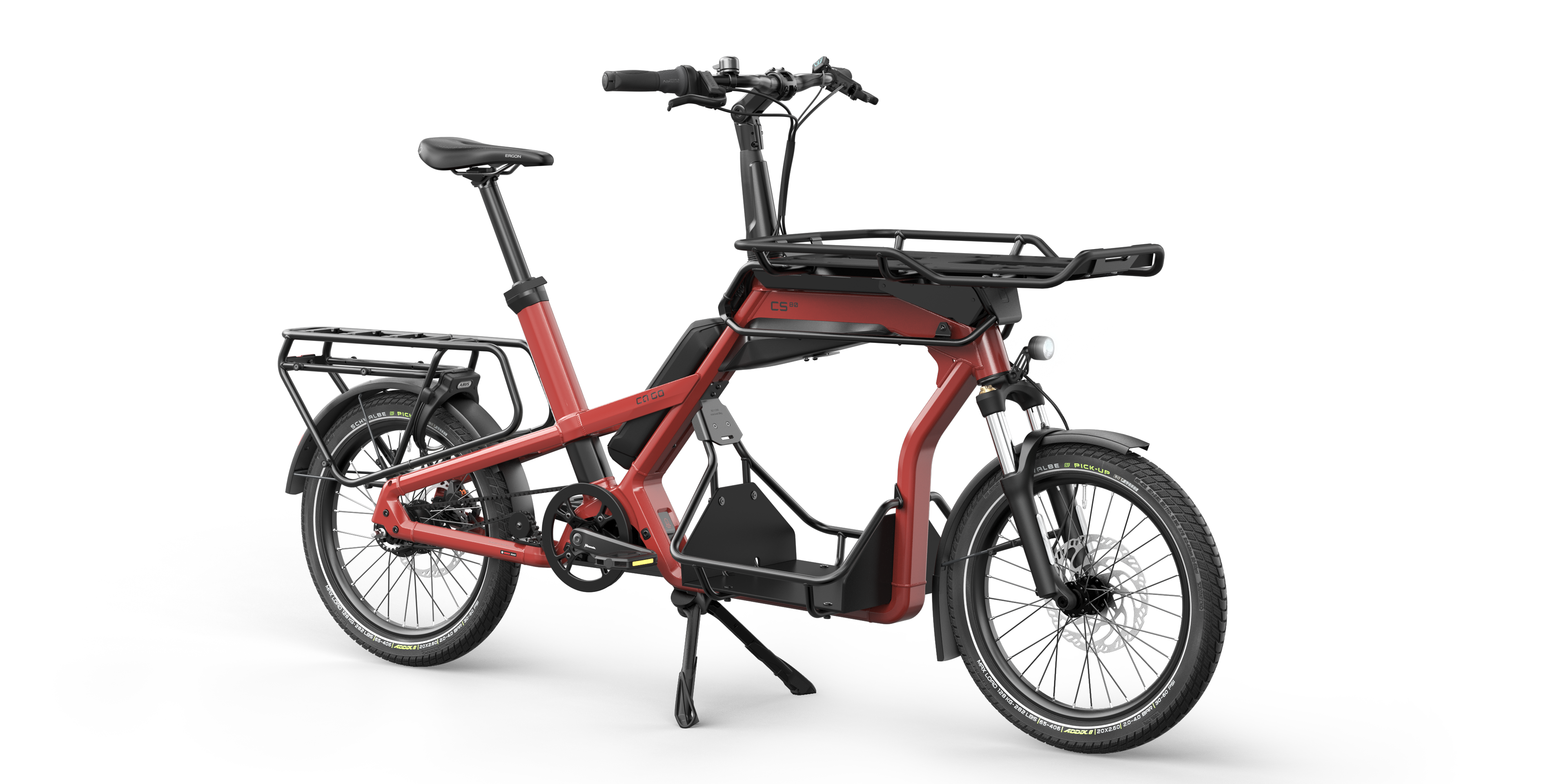
CS80 – Edition 5
Flexible, agile and comfortable in all situations - for when you have big plans, but don't want to miss out on a pleasant riding experience.
starting at €4,490.00starting at €3,490.00 Mobility Bonus including*
*Offer valid until Dec 31, 2026
-
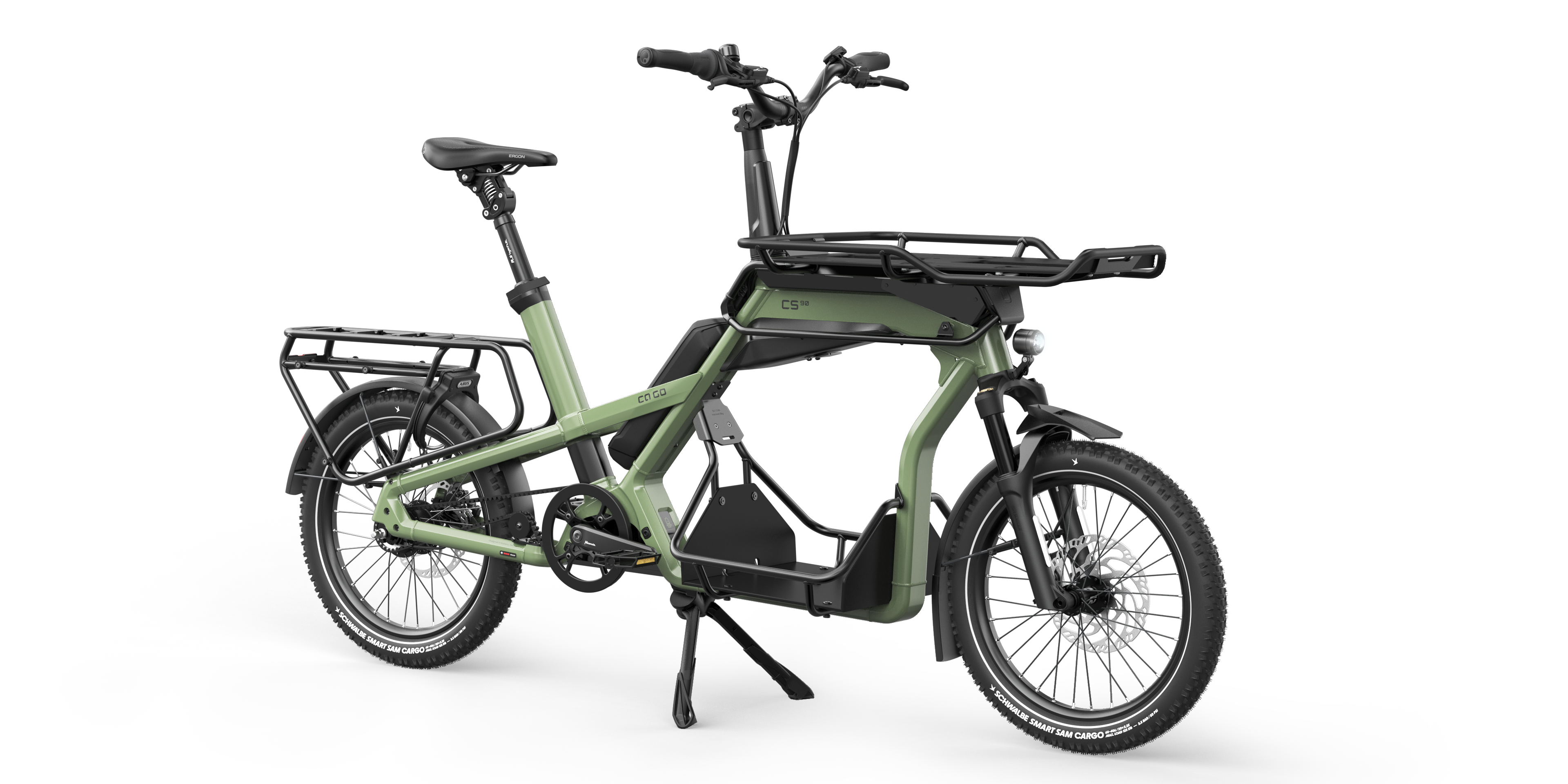
CS90 Allroad – Edition 5
Plenty of space for luggage paired with all-road tires for all surfaces - when adventures awaits off the beaten path.
starting at €4,990.00starting at €3,990.00 Mobility Bonus including*
*Offer valid until Dec 31, 2026
-
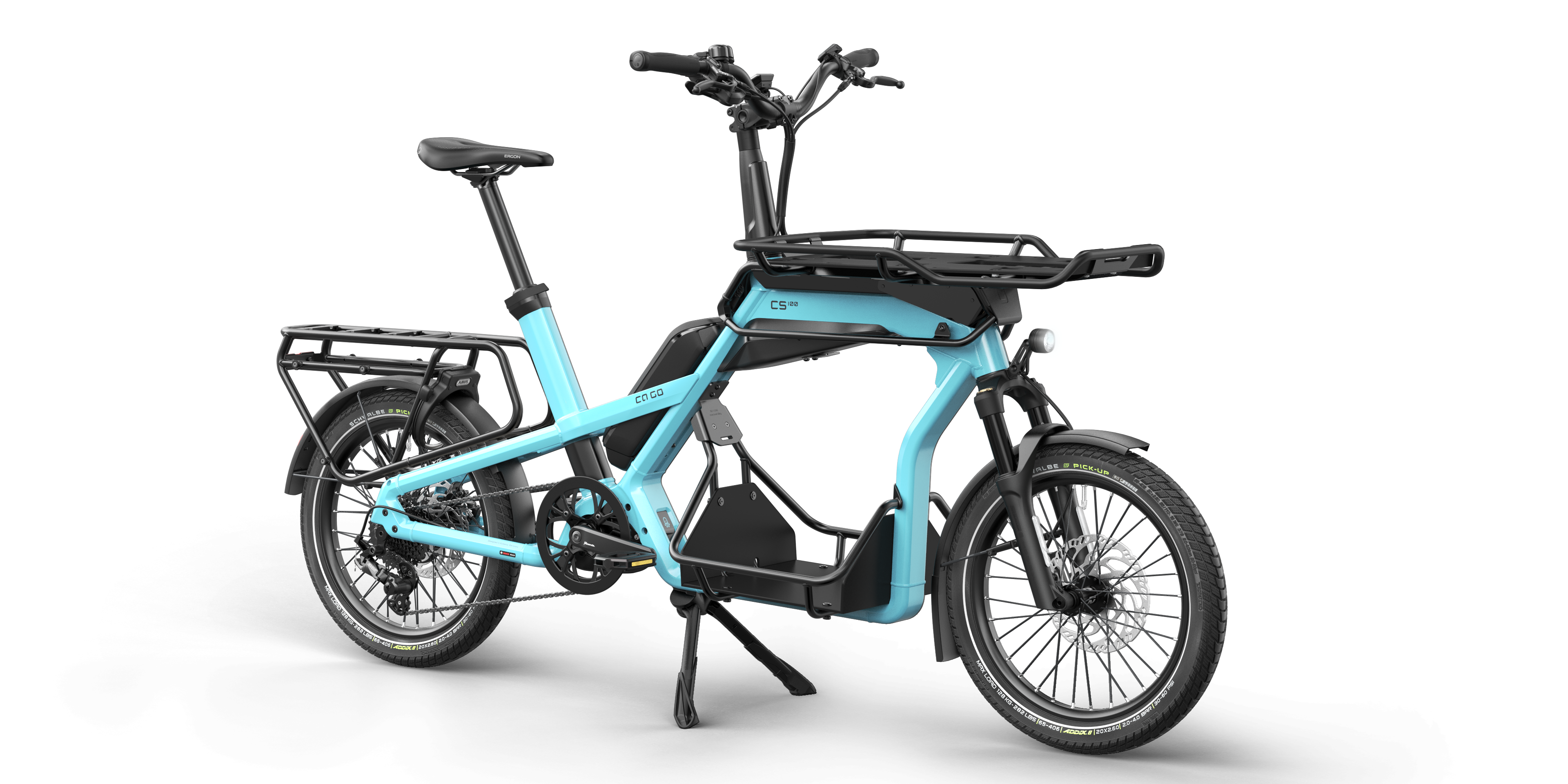
CS100 – Edition 5
Lighter and higher efficiency – for all those sporty riders.
starting at €4,490.00starting at €3,490.00 Mobility Bonus including*
*Offer valid until Dec 31, 2026
-
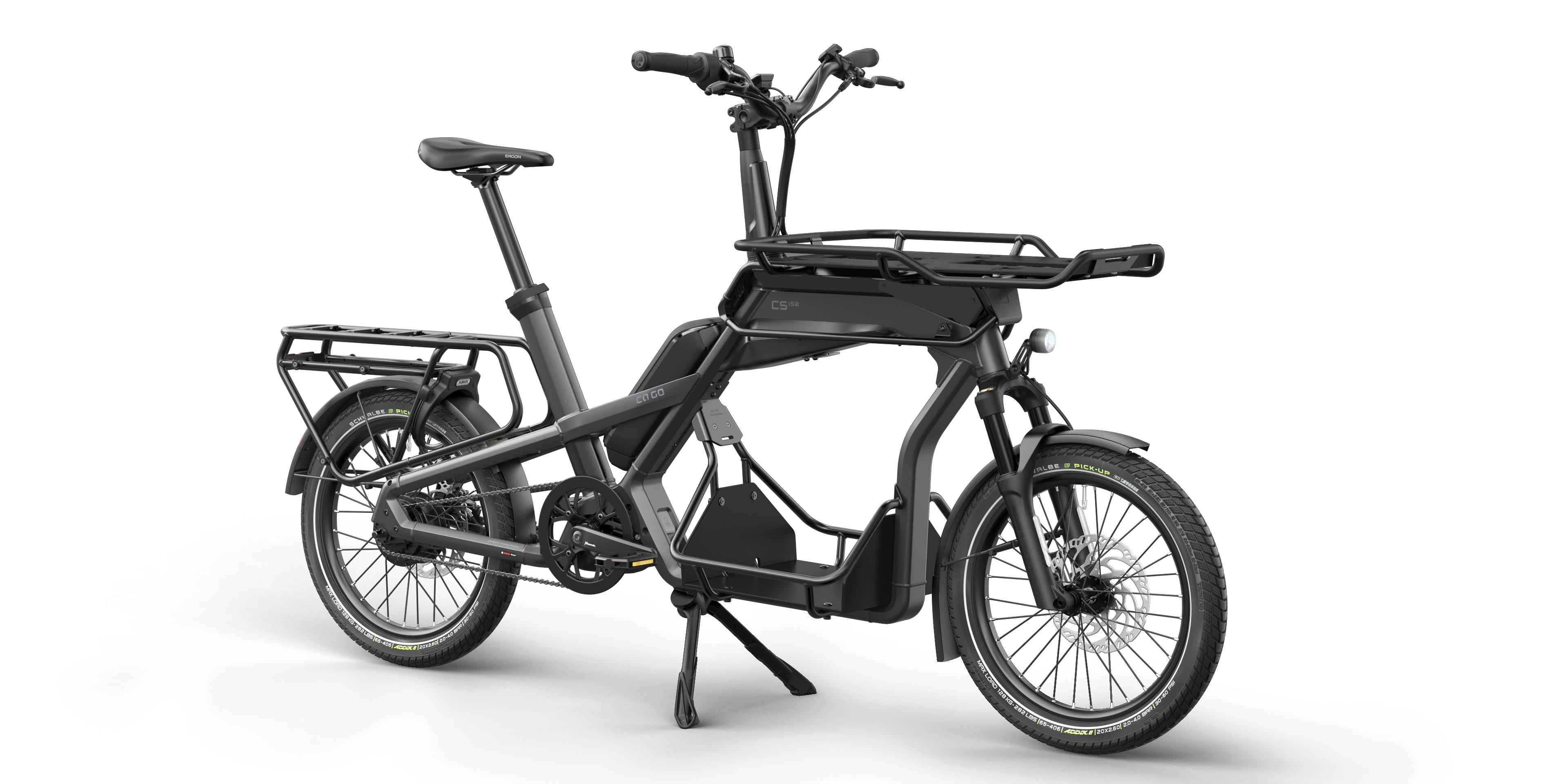
CS150 – Edition 5
Low maintenance, simple and convenient operation, stepless shifting – for all those who like to concentrate on the essentials.
starting at €4,890.00starting at €3,890.00 Mobility Bonus including*
*Offer valid until Dec 31, 2026
-
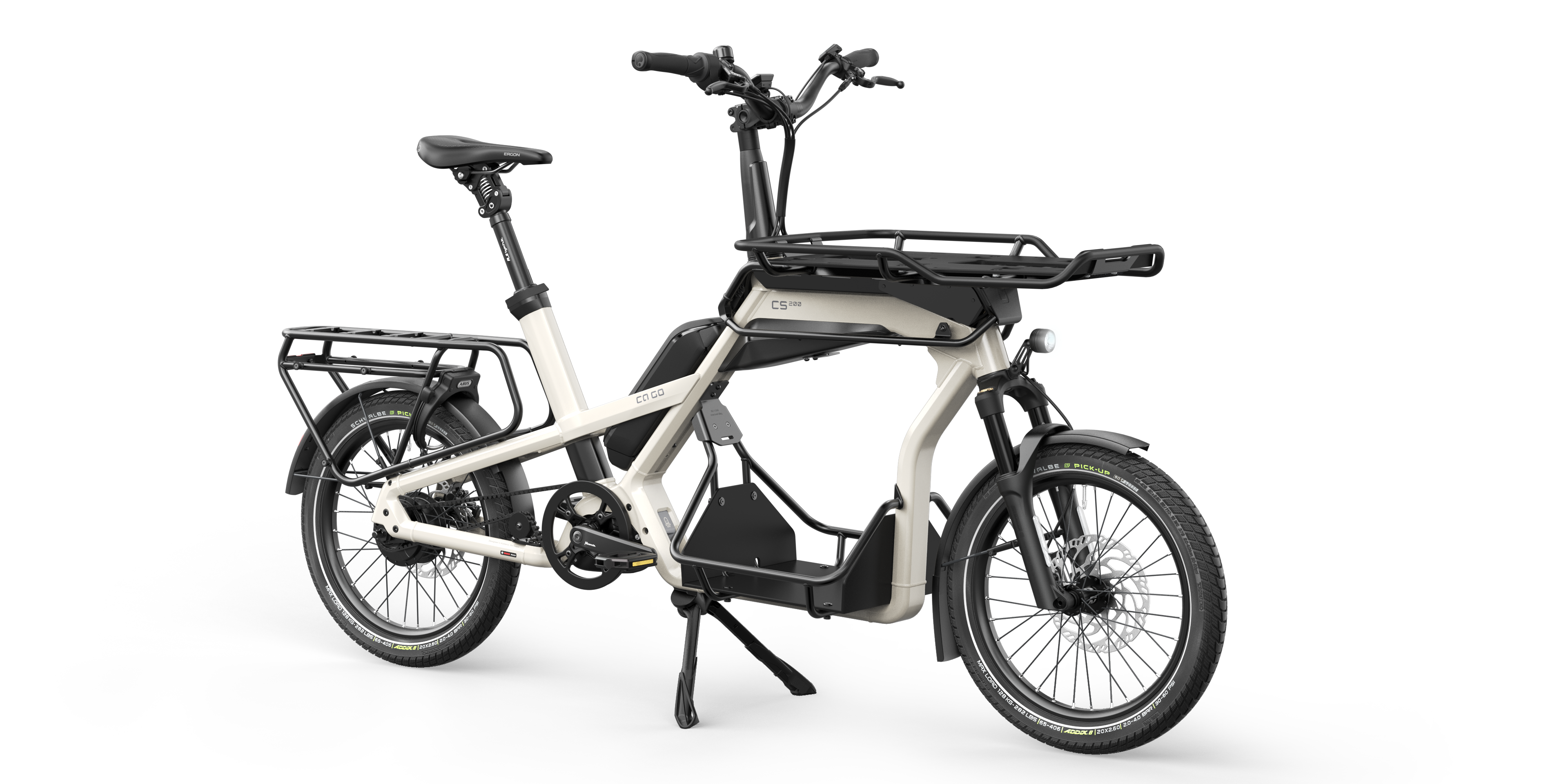
CS200 – Edition 5
Long-lasting, quiet and clean shifting – for those looking for maximum comfort.
starting at €5,690.00starting at €4,690.00 Mobility Bonus including*
*Offer valid until Dec 31, 2026
-
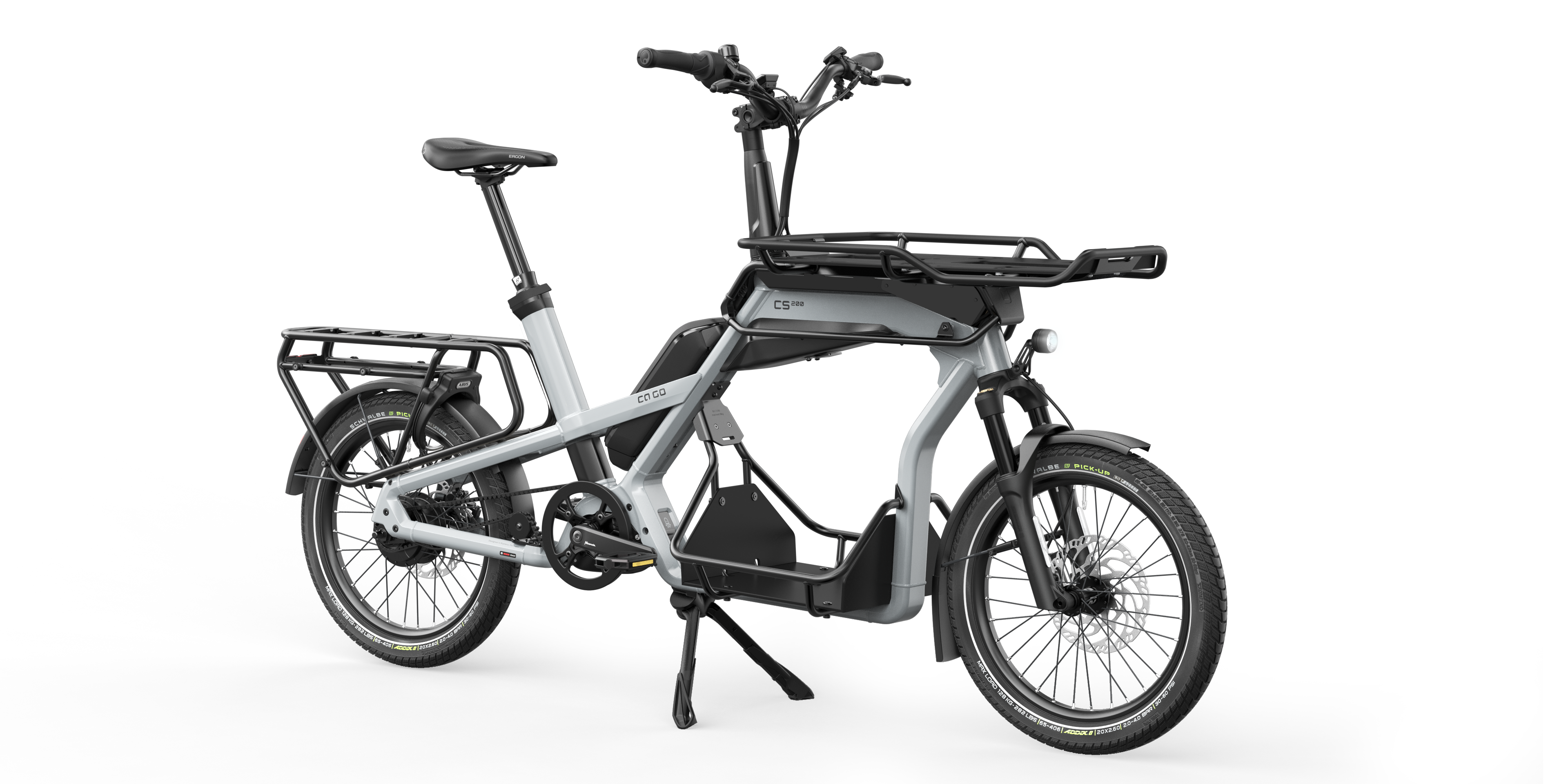
CS200 Exclusive – Edition 5
Maximum comfort and flexibility with extra space for your cargo - for those who won't compromise.
starting at €6,290.00starting at €5,290.00 Mobility Bonus including*
*Offer valid until Dec 31, 2026
The e-bike isn't just advancing globally – pedelecs have now overtaken the traditional bike without a motor in both annual industry turnover and absolute sales figures within the bike sector. Electric bicycles have already firmly secured their place within the burgeoning shift in transport. And technically, a great deal has changed since the first modern e-bikes. Motors have become not only more powerful, smaller and quieter, they also work more efficiently and, depending on the product type, are increasingly connected to the bike's drivetrain and navigation systems. Better batteries have increased range, expanding not only urban mobility but also proving reliable for longer, cross-country journeys. However, the biggest leap the e-bike has made is in terms of social acceptance. In the early 2000s, electric bikes had the reputation of being an aid for the physically frail; today, the pedelec is not just a loyal everyday companion, but, thanks to modern technology, a status symbol for almost any budget. Made-in-Germany brands such as Bosch have significantly shaped this development, taking e-bikes from a niche product to a mass market.

Differences between e-bike, pedelec and bicycle
Nowadays, a bike is generally classed either as a "biobike" or human-powered bike, or, in contrast, as an e-bike. The former describes bicycles powered exclusively by muscle power. Such classic bikes are now bought almost exclusively for sporting purposes. "E-bike", meanwhile, is the umbrella term for all two-wheeled, ride-on vehicles with an electric drive, regardless of whether pedalling is also required. By far the most common variant among e-bikes is the pedelec (Pedal Electric Cycle). These only deliver electric power when the rider is pedalling. Pedelecs are technically limited, by law, in terms of their electric drive output. These electrically assisted bicycles are also occasionally referred to as "e-bicycles". Such electric bikes are permitted to feed a certain percentage of the power the rider delivers via the pedals back into the bike's drivetrain as additional assistance. For the widely used pedelecs, this is 100 percent – in effect, doubling the rider's own power. The maximum output is capped at 250 watts. Nowadays, it's these pedelecs that are commonly referred to as "e-bikes" in everyday language, even though, as mentioned above, e-bikes by definition could also function without pedalling. With so-called S-pedelecs, the motor is permitted to deliver up to 4,000 watts, quadrupling the rider's power at most. In return, riders of these faster pedelecs must meet significantly more requirements, including compulsory insurance, whereas standard pedelecs are legally treated the same as biobikes. No driving licence, insurance or helmet is required, and riders may use the cycle path without restriction.
Why, and when, should you buy an e-bike?
This too depends on the product type, the rider's cycling habits, and the environment they're riding in. As mentioned above, electric assist motors have by now become far more than simply a guarantee of mobility for people with physical limitations. The extra power from the battery helps you get up inclines that, despite average fitness, you might not otherwise manage. The motor therefore opens up areas in your surroundings that were previously out of reach. The e-bike also extends the range achievable by the combination of bike and an averagely fit rider, enhancing the experience of every tour or outing. This, in turn, motivates people to get on their bikes. You extend your radius of action, and so see more of your surroundings.


The pedelec as a commuter vehicle and piece of sports equipment
Motivation is also a good keyword when it comes to using pedelecs for commuting to work. Before the e-bike era, the physical exertion involved in cycling, and the accompanying sweating, put most people off cycling to work altogether. Nowadays, millions of commuters use electric bikes for their journey to work. With any route profile and in any wind conditions, you can reach your workplace quickly and predictably, and can reduce your physical effort enough to start the working day neither sweaty nor completely exhausted.
In sport too, more than one in three bikes sold is now fitted with a motor. Mountain bikes with drive technology in the rear wheel or at the bottom bracket were actually the pioneers of this movement, effectively making the pedelec socially acceptable.
Pedelecs are no longer limited to just one type of bike. On the contrary, almost every category now has its own specialist. There are even races for e-bikes, so it's no longer possible to speak of a typical buyer group or a typical use case. E-bikes support and increase mobility – for everyone!
How does an e-bike ride compare to a normal bicycle?
When e-bikes were still in their infancy, switching over from a biobike meant getting used to a great many new things. Electric bikes were considerably heavier, and their centre of gravity noticeably higher, than models without a motor. In some cases, the wheelbase even had to be artificially lengthened to make room for parts of the drivetrain between the rear wheel and the seat tube. The motors themselves have always had similar power outputs, since their output is legally capped, but the associated control electronics were still very unrefined, with drive power switching in abruptly and catching riders off guard. Back then, it also took too long for the sensors to register a pause in pedalling and relay this to the motor, meaning riders regularly had to brake against a motor that was still pushing.
Today, manufacturers such as pioneer Bosch build motors so light and compact that e-bikes are even used in enduro sport, where agile handling is an absolute must. What has increased in terms of performance is the motors' maximum torque, which particularly helps on steep ramps and when accelerating with heavy loads. Pedelec versions are, admittedly, still heavier relative to their non-motorised counterparts, but only marginally so, and the motor's power more than makes up for this uphill. In terms of handling, experienced riders now notice only minor differences. The technology and software controlling motor output has also developed significantly. Depending on the intended use, the e-bike now assists the rider so smoothly that it's barely noticeable. Models with "low assist" in particular ride so naturally that it feels as though you simply have a few extra watts of power in your legs.


What should I look out for when buying an e-bike?
As with biobikes, before buying you should think about how and where you'll mainly be using your pedelec, and choose the type and components accordingly. As the criteria for both variants – with and without a motor – are similar in many respects, only those relevant specifically to pedelecs are listed here:
Motor: As described above, maximum motor output is capped, so factors other than wattage play a role in the buying decision. This includes where the motor is mounted, and the associated drive technology.
So-called mid-drive motors, positioned at the bottom bracket, are the most efficient in terms of power consumption and, due to their position, have the advantage of least negatively affecting the centre of gravity and therefore the handling. However, due to the reduction gearing with planetary gear wheels, they are always somewhat louder than direct-drive motors, and the motor also increases the lateral distance between the rider's feet, which isn't ideal biomechanically.
Motors in the rear hub are different. They're almost silent and don't affect pedalling at all. Their power also places less strain on the bike's chain and sprockets. Without reduction gearing, rear-hub motors have somewhat less torque, but perform better at higher speeds, as no rotating parts come into contact with one another.
Tip: for everyday bikes and cargo pedelecs that are ridden consistently over long distances with motor assistance, the mid-drive motor is the better choice. Anyone riding more sportily, who only engages the motor at key points but wants a very direct-feeling motor when they do, will get on better with a rear hub motor. Front-wheel motors are now essentially extinct. Front-mounted motors have proven impractical and, on slippery corners, even potentially dangerous.

Battery: In Germany in particular, since the rise of the pedelec, there has been a genuine arms race in battery capacity. Top models today exceed 750 watt-hours, even though roughly 400 Wh would be entirely sufficient for the average commuting distance. Lithium-ion batteries make up a large proportion of the purchase price, so anyone spending unnecessarily here will have to cut costs elsewhere. Larger models are also heavier. Integration is another important consideration: a battery hidden within the frame is unobtrusive and better protected from weather, dirt and theft. However, this also makes it more difficult, sometimes even impossible, to remove for charging indoors or at the office. Anyone who parks their bike outside in the cold over winter in particular should not leave the battery on the bike. And sometimes you simply can't find a power source near where the bike is parked, in which case an easily removable battery is very practical.
Tip: according to the ADAC (German Automobile Club), a 300 to 500 watt-hour battery is sufficient for anyone using the e-bike purely for commuting and short journeys. Only those undertaking long day trips or even multi-day cycling tours should consider the larger 750 Wh batteries. If in doubt, so-called range extenders are available for most drive systems – additional batteries that can, if needed, be fitted, for example, in a bottle cage. There's no other component where it's more important to stick to reputable brands and certified products when buying. Battery self-ignition in pedelecs has become extremely rare, but still occurs occasionally with cheap imports.

Gears/transmission: Depending on the motor type, you often won't have the full range of gearing options available, and the number of gears is generally significantly lower than on bikes without a motor. However, the wide gear ratio range needed on unassisted bikes isn't really necessary here either, thanks to the assistance. With the extra power available, you can comfortably do without the very lowest gears, except perhaps in demanding off-road terrain.
On sporty pedelecs, chain gears dominate, while on utility bikes, the combination of mid-drive motor and hub gear is becoming increasingly popular. Besides the low maintenance requirements of gearing housed within a hub, one advantage is that gears can be changed even while stationary – handy in stop-and-go traffic.
Current development trend: the networking of motor, wheel and gearing. The most common example of this is automatic shifting, which continuously adjusts the gear ratio so the rider can maintain their optimal cadence. In the case of Enviolo's automatic system, this even works steplessly. In a further, still relatively rare development, motor output can additionally be adjusted automatically, so that rider and machine each operate within their optimal performance range.
Tip: as with batteries, more isn't necessarily better here either. The number of gears is therefore not a direct indicator of quality. On mountain bikes, the fast shifting of chain gears is an advantage; for city traffic and more practical e-bikes, hub gears win out thanks to their robustness and ease of use. If it fits your budget, automatic gear systems pair very well with pedelec drive systems and offer an unprecedented level of riding comfort, while also allowing you to keep your full attention on the road and traffic.

What's the minimum and maximum you can expect to pay for a good e-bike?
The entry-level price for pedelecs is now under 700 euros. Considering that a mid-sized branded battery, such as the Bosch PowerPack 400, already costs 639 euros (RRP) on its own, the quality of such bikes from DIY stores, supermarkets or electronics retailers is called into question by that fact alone. From around 1,500 euros, you can speak of a genuinely solid bike. On average, a branded pedelec costs between 3,000 and 4,500 euros. Particularly with cargo bikes and sports bikes, however, even a five-figure sum can be required for a dream bike. The high purchase price is, however, quickly put into perspective by the savings made, for example, on a second car – and through funding schemes.
How can I finance this?
The majority of high-quality e-bikes are financed through bike leasing. Here, the bike is treated like a company car, with the monthly instalment deducted before tax. After three years, the bike can be bought outright fairly cheaply. Depending on the provider and tax bracket, this saves up to 40 percent of the retail price overall. JobRad is currently the largest competitor among leasing providers. To take part in such a leasing scheme, interested parties simply need to be employed by an employer who participates in such a programme. The self-employed and freelancers can generally take part as well.