Safety Aspects of Cargo Bikes
Published on
Cargo bikes are still a fairly young category of bicycle, one that is not (solely) intended for personal transport but designed for carrying loads and passengers. They are wider, longer, heavier and more demanding to steer than conventional two-wheelers. But what does this mean for manufacturers – and for cargo bike owners?

Which standards & regulations exist – and why are they not sufficient?
DIN 79010 – A standard with gaps
There is, in principle, a wealth of statutory regulations and standards. For example, cargo bikes, like all e-bikes, require CE marking. This marking, which derives from the Machinery Regulation, is primarily concerned with ensuring that the product meets essential health and safety requirements – e.g. the applicable harmonised standards, documentation of all relevant tests, and instructions for use in the appropriate official language. CE marking is therefore by no means a quality seal, but should rather be understood as a kind of passport; that is, it indicates that the manufacturer has developed the product in accordance with the requirements of the Machinery Regulation.

Central to cargo bike manufacturers is the German standard for cargo bikes, DIN 79010, which focuses on the requirements and test procedures for single-track and multi-track bicycles. It was introduced in 2020 and still has a number of gaps. A particular challenge lies in the many different design types, for which uniform requirements are difficult to establish. There are cargo bikes with and without a motor, in various sizes and variants, single-track and multi-track models – all of which behave quite differently, not least in terms of weight distribution and the forces acting upon them.
Furthermore, the DIN standard only applies to cargo bikes with a maximum total weight of up to 250 kg – this is the basis for the braking tests and the mechanical requirements placed on the frame, fork, handlebars and other components.
Transporting children: what must manufacturers and users bear in mind?
Under Section 21(3) of the German Road Traffic Regulations (StVO), the rider of a cargo bike must be at least 16 years old in order to carry children up to the completed age of seven. In addition, a seat must be provided for the passengers, and wheel guards or equally effective devices must ensure that children's feet cannot get caught in the spokes.
The requirements for transporting children under DIN 79010, in turn, stipulate that a cargo bike designed for child transport must be fitted with a seat with integrated harnesses. However, the design of the seat – let alone the transport box – remains undefined. This is because the requirements currently derive from the trailer standard (DIN EN 15918) and are therefore only partially applicable to cargo bikes. The idea of safe child transport was, however, the founding motivation behind Ca Go, and we work correspondingly ambitiously on our concepts.

For us, child seats must provide both secure support and absorb impact energy. We therefore chose EPP (expanded polypropylene), a material widely used in the automotive industry for impact-loaded components, because of its excellent cushioning properties. EPP consists of elastic, thermoplastic foam beads that are lightweight, impact-resistant and robust – and also highly recyclable. This means the seats also offer extra comfort, as they yield in a controlled manner and provide pleasant cushioning. They also feature adjustable headrests and 5-point harnesses, and sit relatively low.
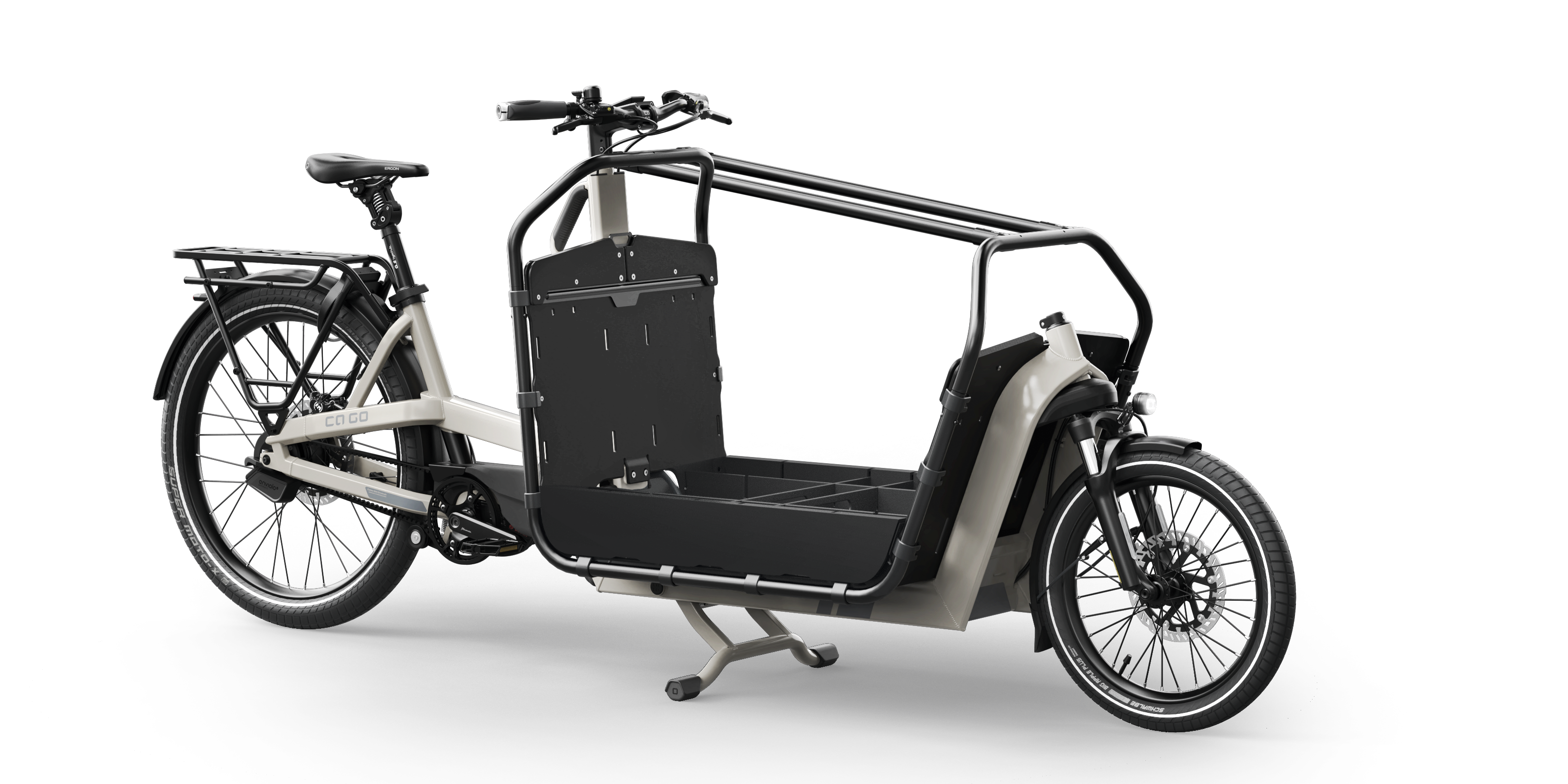
Additional protection and stability are guaranteed by the high shoulder line and the frame's special safety rail, which runs around the box.
However, we also wanted to validate our designs. As the standards do not include any dynamic tests (i.e. crash tests), we decided to develop and carry out our own crash test in collaboration with an independent testing body. The results showed that, under the given conditions, our specific transport box poses little to no risk of injury to children.
And while there are requirements for stability (i.e. the bike must not tip over or roll away when parked on an incline), there is no requirement for kickstand strength – so here too we carried out and validated our own tests.

What does the future hold?
A joint European/EU-wide EN standard for cargo bikes is currently in development and will be more comprehensive. When it will be adopted by the European Committee for Standardization (CEN) remains unclear, though a decision is expected in 2024. The draft of standard EN17860 covers the transport of passengers, trailers, electrical aspects, and multi-track cargo bikes over 300 kg.
Our bikes
-
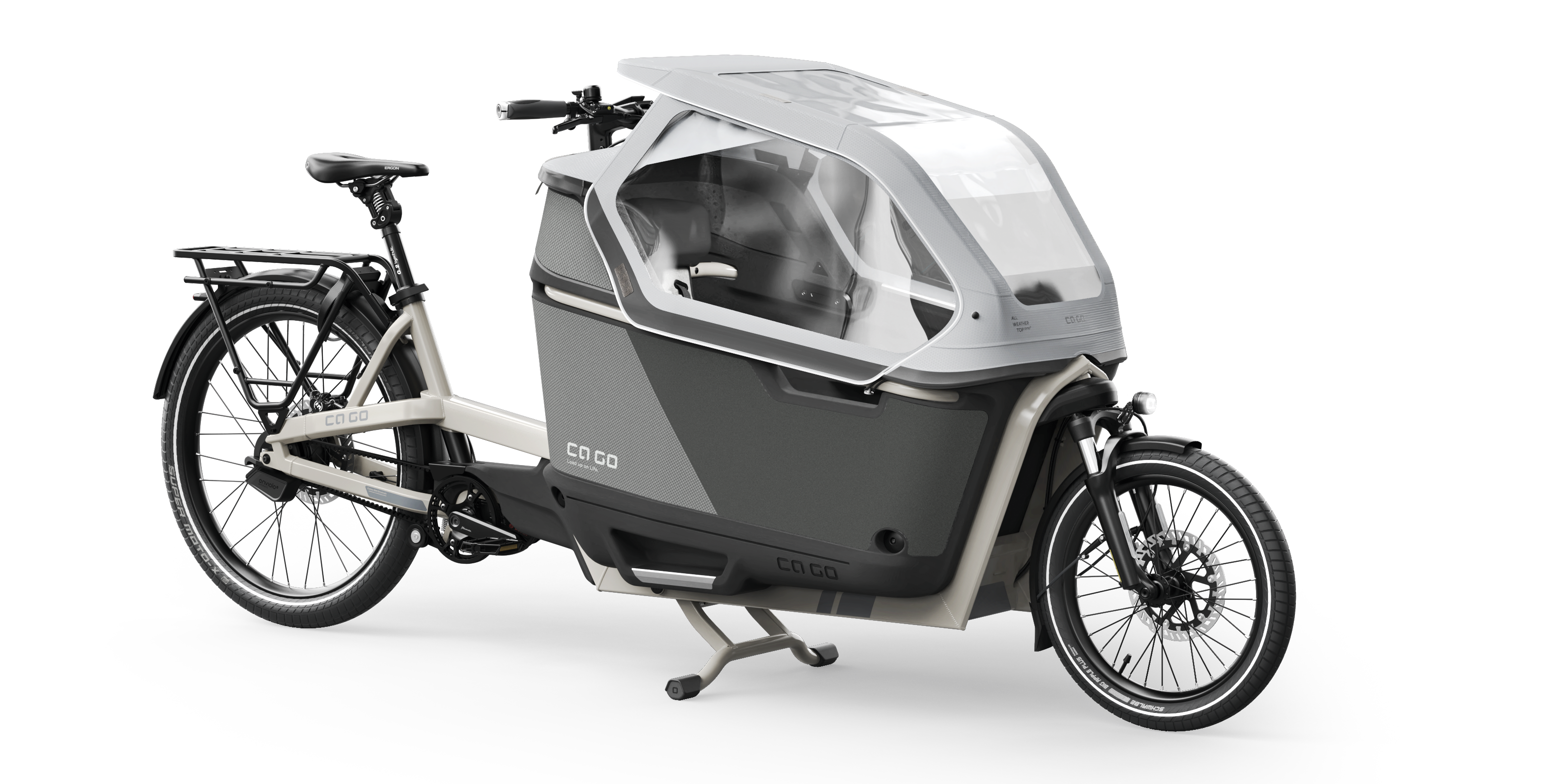
FS200 Life Family-Plus – Edition 5
The fully equipped electric family vehicle
-
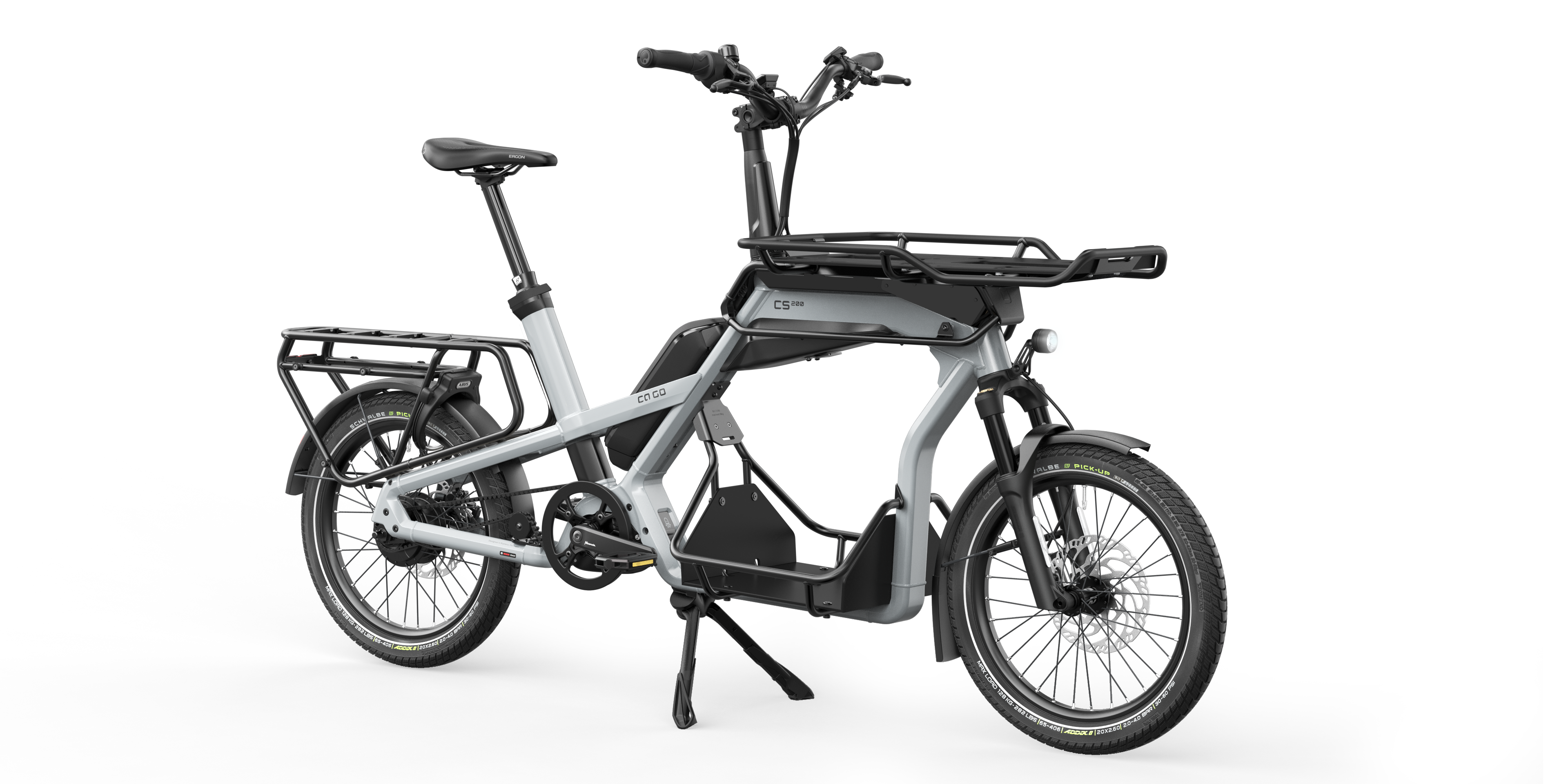
CS200 Exclusive – Edition 5
Maximum comfort and flexibility with extra space for your cargo - for those who won't compromise.
-
FS200 Vario Open-Pro – Edition 5
For sure: The versatile load master among e-cargo bikes